

Views: 0 Author: Site Editor Publish Time: 2026-10-08 Origin: Site


In continuous textile processing, finishing bottlenecks directly impact profitability. Selecting incorrect steaming equipment leads to inconsistent curing. It also causes fabric tension damage and costly line downtime. Moving from batch processing to a continuous line requires strict evaluation. You must assess steam saturation, temperature control, and integration capabilities thoroughly. Upgrading legacy equipment demands similar rigorous scrutiny. You want to prevent catastrophic material waste in high-volume environments. Without proper equipment, facilities face severe quality control issues. These issues quickly erode client trust. This guide provides an objective framework for industrial fabric steamer selection. We separate critical performance metrics from vendor marketing claims. This helps operations teams make evidence-based capital equipment decisions. You will discover how to evaluate continuous finishing machinery properly. We ensure you can guarantee optimal production output daily.
Standard steaming solutions fail repeatedly in continuous manufacturing environments. They lack adequate continuous steam generation capacity. They also struggle to maintain precise tension control. You cannot rely on light-commercial units for industrial scaling. They simply cannot sustain the required thermodynamic stability.
Successful implementation requires strict performance baselines. You need perfect color fixation across the entire fabric web. You must achieve zero condensation dripping during operation. Continuous yards-per-minute targets must remain consistently high day after day.
Compromising on these criteria brings hidden operational costs. Poor temperature uniformity causes rapid dye migration. This leads to uneven polymerization across the material. Eventually, facilities generate excessive fabric waste. You lose money on ruined substrates and wasted energy. Industrial operations require robust machinery to protect yield.
Many facilities underestimate peak steam demand. They assume average consumption equals peak requirement. This mistake leads to pressure drops during continuous runs. Pressure drops cause immediate temperature fluctuations inside the chamber. You must calculate peak load requirements accurately.
Inconsistent curing damages your brand reputation quickly. Uneven dye fixation results in visible banding. Clients reject these substandard fabric batches immediately. You then face costly rework or complete material scrapping. Investing in proper equipment prevents these catastrophic quality failures.
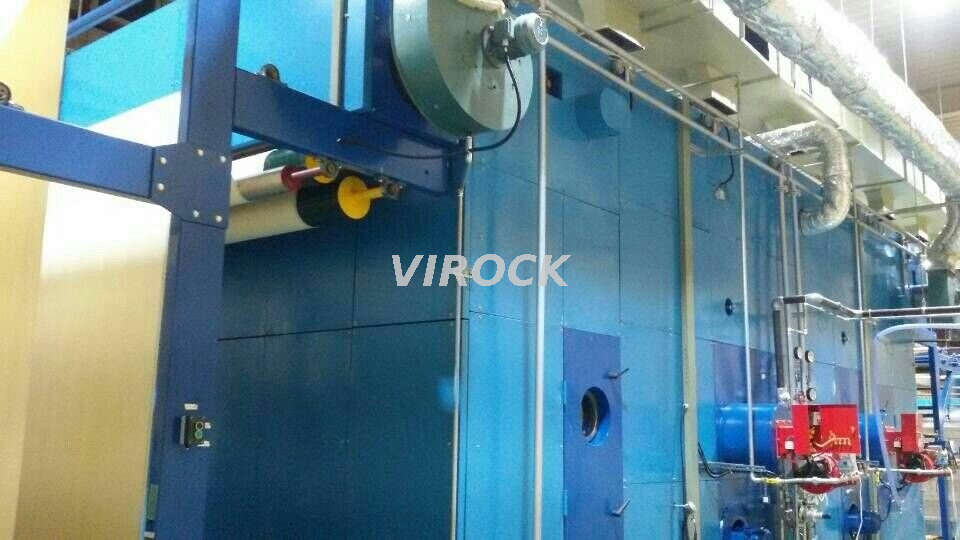
Different production lines demand specific thermal processing mechanisms. We categorize continuous finishing equipment into three main segments. You must align your choice with your primary fabric types.
An automatic steamer ager excels at handling natural fibers. They work perfectly for standard continuous printing and dyeing lines. The key mechanism involves loop or festoon transport systems. These configurations ensure completely tensionless dwell times. The fabric relaxes naturally while absorbing saturated steam. This prevents structural distortion during delicate dye fixation phases. Loop length control remains vital for consistent processing.
Synthetic fabrics require much more intense thermal processing. A textile polymizer handles these demanding applications effectively. They process disperse dyes and specialized polymer coatings effortlessly. The core mechanism sustains superheated steam environments reliably. They maintain exact high-temperature curing zones for extended periods. You need this intense heat to activate synthetic dye structures. Superheated steam penetrates dense synthetic fibers deeply.
Many facilities process mixed fabric types daily. Hybrid systems allow variable humidity and temperature adjustments. They accommodate diverse production lines efficiently. You can switch between saturated and superheated steam modes easily. This flexibility maximizes your capital equipment utility. Modular designs let you add capacity later. You can expand heating zones as production scales.
Proper evaluation requires looking beyond basic brochure specifications. You must assess critical engineering dimensions meticulously.
Machines must maintain uniform steam distribution continuously. You need consistent heat across the entire chamber width. Cold spots cause uneven dye fixation immediately. Assess the internal manifold design carefully. It must inject steam without creating turbulent pressure zones. Baffle systems help distribute steam gently across the fabric.
Fabric stretches easily under high heat and moisture. You must evaluate internal roller configurations closely. Drive synchronization prevents fabric curling during continuous feed. Look for independent inverter-controlled motors. They keep the web moving smoothly without excessive pulling. Precision load cells provide real-time tension feedback.
Continuous exposure to steam degrades inferior metals quickly. Urea and reactive chemical outgassing cause severe internal corrosion. Internal components must utilize high-grade stainless steel. Specify 316L stainless steel for all wetted parts. This prevents rust flakes from contaminating your textiles. Standard 304 stainless steel fails rapidly in these harsh environments.
Water droplets ruin processed textiles instantly. Examine the roof heating design rigorously. The machine requires engineered exhaust extraction systems. These systems prevent condensation buildup above the fabric web. Heated ceilings direct moisture away from the material safely. Double-walled insulation prevents internal cold spots from forming.
Modern finishing lines rely heavily on precise automation. You cannot depend on manual valve adjustments anymore. Evaluate the integrated sensor networks thoroughly. Look for systems utilizing precision PT100 temperature probes. Humidity sensors must provide real-time feedback to the main controller. Automated dosing systems ensure precise chemical application. Good automation reduces human error significantly. It ensures repeatable quality across multiple production shifts.
Equipment Evaluation Matrix
| Evaluation Dimension | Standard Requirement | Industrial Best Practice |
|---|---|---|
| Steam Saturation | Single manifold injection | Multi-zone proportional valve control |
| Fabric Transport | Mechanical chain drive | Inverter-controlled loop system |
| Material Build | 304 Stainless Steel | 316L Stainless Steel internally |
| Condensation Control | Passive exhaust vent | Active heated roof panels |
Purchasing the equipment is only the first step. You must prepare your facility for proper physical integration.
Match machine consumption requirements to your existing infrastructure.
You might need expensive boiler upgrades if capacity falls short. Calculate these requirements before signing purchase orders.
Physical space constraints often dictate equipment choices. You must synchronize the new Programmable Logic Controller (PLC). It must communicate seamlessly alongside existing washing frames. Poor integration causes fabric bunching between separate machine stages. Ensure network compatibility across all control panels. Ethernet/IP or Profibus standards remain highly recommended for industrial setups.
Hard water destroys industrial injection nozzles rapidly. Mineral scaling blocks steam injection ports entirely.
Untreated water leads to frequent maintenance shutdowns and uneven thermal distribution.
Sophisticated machinery requires properly trained personnel. Do not overlook the human element during implementation.
Untrained operators easily bypass critical safety interlocks. They might override temperature controls incorrectly. Proper training ensures the equipment operates safely.
You need a systematic approach to narrow down vendors. Never rely solely on glossy marketing presentations.
Operations teams should never purchase equipment blindly. You must run your specific fabric substrates first. Test your exact dye formulas through a vendor's pilot machine. This proves the equipment can handle your specific chemistry. Reject any vendor refusing a standardized pilot trial. Measure color fastness and shrinkage after the pilot run.
Equipment breakdowns halt entire production lines abruptly. Assess the vendor’s Mean Time To Repair (MTTR) honestly. Check the availability of replacement parts locally. Proprietary components often cause extended shipping delays. Off-the-shelf components ensure faster local repairs. Verify their regional technician support network thoroughly before committing.
Move beyond the initial equipment specification sheet. Calculate long-term resource efficiency to determine true machinery ROI. Factor in integrated energy recovery systems carefully. Look closely at potential chemical savings over time. Machines built for operational longevity offer better financial returns. Robust thermal insulation reduces ongoing utility consumption significantly. High-efficiency heat exchangers capture waste energy effectively.
Industrial steaming equipment selection is a high-stakes engineering decision. It dictates the absolute quality ceiling of your continuous finishing line. You must balance thermodynamic capabilities alongside material handling precision carefully. Proper selection eliminates processing bottlenecks completely. It protects delicate fabric integrity during intense thermal phases.
A well-chosen steamer transforms your finishing capabilities entirely. It reduces second-quality output dramatically. Your facility gains a significant competitive advantage. Always prioritize engineering substance over superficial design features. Take the time to conduct thorough vendor audits. The right partnership guarantees long-term operational success.
Audit your current boiler capacity today. Document your exact dwell-time requirements for all fabric types. Complete these internal technical assessments before issuing an RFP. Share these technical specifications directly alongside prospective manufacturing partners. Evidence-based evaluation ensures years of profitable continuous production.
A: Agers typically operate utilizing saturated steam at or near 100°C. They handle standard dye fixation perfectly for natural fibers. Polymizers utilize superheated steam reaching up to 180°C or higher. You need this intense heat to cure synthetic fibers and disperse dyes effectively.
A: Look for units engineered specifically incorporating heated roof panels. Angled ceilings help direct moisture safely away. Optimized exhaust extraction prevents condensation buildup directly above the fabric web. These features stop droplets from falling onto processed textiles.
A: Unmanaged tension distorts the fabric weave significantly. It can easily cause uneven dye penetration across the web. Solutions must feature synchronized, tensionless drive systems. Loop formations allow the fabric to shrink and set naturally during processing.
A: You must verify precise steam volume measured in kilograms per hour. Check your consistent dynamic steam pressure levels. Assess the available electrical load needed for auxiliary heating. Finally, confirm your treated water supply specifications to prevent internal scaling.


