


TL;DR: Selecting the ideal equipment for fabric printing is a critical decision that dictates production efficiency, print quality, and overall profitability. A rotary screen printing machine offers the perfect balance of high-speed continuous production and exceptional color vibrancy. This comprehensive guide explores the mechanics, selection criteria, integration processes, and maintenance protocols required to make an informed investment in textile printing technology.
The global textile industry is undergoing a massive transformation, driven by the demand for faster production cycles, sustainable practices, and intricate, high-quality designs. At the heart of this industrial evolution is the technology used to transfer patterns onto textiles. When scaling up your textile operations or upgrading an outdated facility, investing in a reliable fabric printing machine is the first critical step toward achieving operational excellence. Among the various technologies available today, the rotary screen printing method remains the undisputed champion for high-volume, continuous fabric decoration.
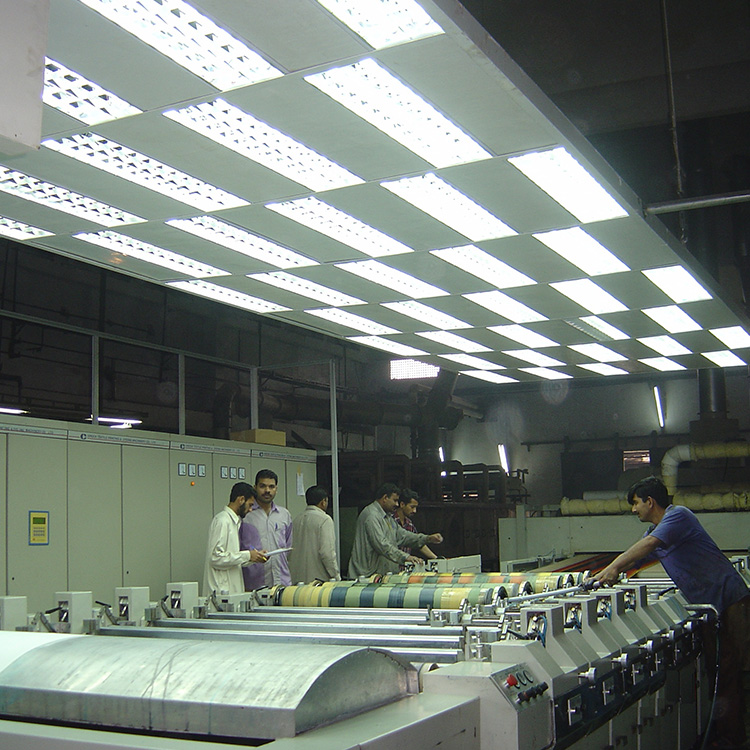
Unlike traditional flatbed printing, which operates on a stop-and-go basis, rotary technology allows for uninterrupted, high-speed production. This continuous motion not only exponentially increases output but also ensures consistent color application across thousands of meters of fabric. However, choosing the right equipment is not a one-size-fits-all endeavor. It requires a deep understanding of your specific production needs, fabric types, ink chemistry, and facility capabilities. This guide will walk you through every technical and operational aspect you must consider.
Understanding the Mechanics of a Rotary Screen Printing Machine
To make an informed purchasing decision, one must first understand how this technology operates at a fundamental level. A modern rotary screen printer utilizes seamless cylindrical screens made of electroformed nickel. These screens are perforated with the specific design to be printed. As the fabric is fed into the machine, it is temporarily adhered to a continuous rubber blanket that carries it beneath a series of these rotating cylinders.
Inside each cylindrical screen is a stationary squeegee and a color pipe that continuously supplies printing paste. As the screen rotates in perfect synchronization with the movement of the fabric, the squeegee forces the printing paste through the perforations and onto the textile. Each screen applies a single color; therefore, a machine will have multiple printing stations arranged in sequence to build up complex, multi-colored designs.
The Role of Squeegee Systems in a Rotary Screen Printing Machine
The squeegee system is the heart of the color application process. There are two primary types of squeegee systems used in modern machinery: blade squeegees and magnetic roll squeegees. Blade squeegees use a flexible metal or polyurethane blade to push the ink. The pressure and angle of the blade can be adjusted to control the amount of ink deposited. This system is excellent for achieving sharp, fine lines and penetrating heavy fabrics.
On the other hand, magnetic roll squeegees use a steel rod placed inside the screen, which is pulled downward by an electromagnet positioned beneath the printing blanket. By adjusting the magnetic force, the operator can precisely control the color yield. Magnetic systems are highly regarded for their even color application, especially for large blotch areas, and they generally cause less wear and tear on the delicate nickel screens. When evaluating a rotary screen printing machine, understanding which squeegee system aligns with your typical design requirements is paramount.
Key Selection Criteria for Your Rotary Screen Printing Machine
Purchasing industrial textile machinery is a significant capital expenditure. To ensure a high return on investment, several technical specifications must be meticulously evaluated against your production goals.
Print Width and Repeat Size in a Rotary Screen Printing Machine
The maximum printing width is one of the most rigid constraints of any machine. You must select a machine that accommodates the widest fabric you intend to process, plus a margin for the selvedge. Standard widths range from 1600mm for apparel fabrics to over 3200mm for home textiles like bed linens and curtains. It is generally advisable to purchase a machine slightly wider than your current needs to allow for future business expansion.
Equally important is the repeat size. The repeat size is dictated by the circumference of the rotary screen. Standard repeat sizes are 640mm, 819mm, 914mm, and 1018mm. The choice of repeat size determines the maximum vertical length of a pattern before it repeats itself. If your business focuses on large-scale geometric or floral prints for home furnishings, a larger repeat size is essential. Conversely, standard apparel prints usually only require a 640mm repeat.
Color Capacity of Your Rotary Screen Printing Machine
The number of printing stations determines the maximum number of colors you can apply in a single pass. Machines can be configured with anywhere from 4 to 24 color stations. While a 24-color machine offers immense design flexibility, it also requires a longer footprint, more energy to operate, and higher maintenance costs. Furthermore, setting up 24 screens for a single run is time-consuming and only economically viable for very long production runs.
For most mid-sized textile operations, an 8 to 12-color machine provides the optimal balance between design versatility and operational efficiency. It is crucial to analyze your historical design portfolio and future market trends to determine the average number of colors your clients demand.
Fabric Handling Capabilities of a Rotary Screen Printing Machine
Different fabrics behave differently under tension. Woven fabrics like cotton canvas are relatively stable, while knitted fabrics like spandex blends are highly elastic and prone to curling and stretching. If you plan to print on knits, your machine must be equipped with specialized fabric entry systems, including tension-free feeding devices, edge uncurlers, and advanced thermoplastic gluing systems to secure the fabric firmly to the printing blanket without distortion.
Integration: The Rotary Screen Printing Machine in Your Workflow
A printing machine does not operate in a vacuum. It rarely operates in isolation; instead, it is the heart of a comprehensive textile printing line. The efficiency of your rotary printer is heavily dependent on the upstream and downstream processes.
Pre-Treatment Requirements for a Rotary Screen Printing Machine
Before fabric can be printed, it must be meticulously prepared. Natural fibers often contain impurities, waxes, and sizing agents that repel water-based printing pastes. The fabric must undergo singeing (to remove surface fibers), desizing, scouring, and bleaching. For synthetic fibers like polyester, heat-setting is required to stabilize the fabric's dimensions. If the fabric entering the rotary screen printing machine is not properly pre-treated, the resulting print will suffer from poor color fastness, uneven coverage, and dull vibrancy, regardless of how advanced the printing machine itself is.
Automation and Control in a Rotary Screen Printing Machine
Modern textile production demands consistency and minimal human error. For intricate designs, you must select a high accuracy printing machine equipped with advanced servo motors and programmable logic controllers (PLCs). Individual servo motor drives for each printing station ensure perfect synchronization between the screen rotation and the blanket movement. This eliminates the mechanical backlash associated with older, single-drive shaft machines, resulting in flawless registration (the precise alignment of different colors).
Furthermore, look for machines with Human-Machine Interfaces (HMI) that allow operators to save print recipes. A recipe includes parameters such as squeegee pressure, magnetic pull, blanket speed, and dryer temperature. Being able to recall these settings instantly for repeat orders drastically reduces setup time and minimizes fabric waste during the strike-off process.
Post-Processing Following the Rotary Screen Printing Machine
Applying the ink to the fabric is only half the battle. After the ink is applied, the fabric must pass through a printing finishing line to cure and set the dyes, ensuring they become a permanent part of the textile.
Drying Systems Connected to the Rotary Screen Printing Machine
Immediately after the last color station, the fabric enters a drying chamber. The dryer must have sufficient capacity to evaporate the water or solvents from the printing paste before the fabric is rolled up, preventing the colors from smudging or transferring to the back of the fabric (mark-off). Dryers can be heated via steam, thermal oil, or natural gas. The choice of heating medium depends on your local energy costs and the existing infrastructure of your facility. A high-efficiency dryer with multiple temperature zones and robust air circulation is critical for maintaining the high speeds that a rotary screen printing machine is capable of.
Fixation and Washing After the Rotary Screen Printing Machine
Depending on the class of dye used (e.g., reactive dyes for cotton, disperse dyes for polyester), the printed and dried fabric must undergo a fixation process. This usually involves high-temperature steaming to force the dye molecules to bond chemically with the fabric fibers. Following steaming, the fabric must be rigorously washed to remove thickeners, auxiliary chemicals, and any unfixed surface dye. This washing process is vital for achieving the final soft hand-feel of the fabric and ensuring high wash-fastness ratings for the end consumer.
Maintenance Best Practices for a Rotary Screen Printing Machine
To protect your investment and ensure decades of reliable service, a stringent preventative maintenance program is non-negotiable. A well-maintained machine produces higher quality prints, experiences less unplanned downtime, and consumes fewer spare parts.
Daily Care for Your Rotary Screen Printing Machine
At the end of every production shift, the machine must be thoroughly cleaned. The printing paste delivery system—including the pumps, hoses, and color pipes—must be flushed with water until completely clear. Any residual paste left to dry in the system will cause clogs and color contamination in subsequent runs. The rotary screens themselves are incredibly fragile; they must be removed carefully, washed gently to clear the perforations, and stored vertically in a safe, climate-controlled area to prevent denting or oxidation.
The printing blanket also requires daily attention. The blanket washing unit, located beneath the machine, continuously scrubs the blanket to remove the temporary adhesive and any stray ink. Operators must ensure the brushes in this unit are clean and the water jets are unblocked. A dirty blanket will result in poor fabric adhesion and registration errors.
Long-Term Maintenance of a Rotary Screen Printing Machine
On a monthly and quarterly basis, maintenance technicians should inspect the mechanical and electrical components. This includes checking the tension and wear of the printing blanket, lubricating the bearings and gears, and calibrating the servo motors. The thermoplastic gluing system (if used) needs periodic cleaning to remove degraded adhesive build-up. Additionally, the dryer's exhaust filters must be cleaned regularly to maintain optimal airflow and prevent fire hazards caused by lint accumulation.
Environmental and Economic Impact of a Rotary Screen Printing Machine
In today's eco-conscious market, the environmental footprint of textile manufacturing is under intense scrutiny. When choosing a rotary screen printing machine, it is vital to consider its resource consumption.
Water and Energy Efficiency in a Rotary Screen Printing Machine
Traditional textile printing is notoriously water-intensive. However, modern rotary machines incorporate features designed to minimize waste. Look for machines with automated color recovery systems. These systems use compressed air to push unused printing paste out of the pipes and back into the storage drums at the end of a run, saving expensive dyes and reducing the chemical load in your wastewater treatment plant.
Energy efficiency is another critical factor. Advanced drying chambers with heat recovery systems can capture the hot exhaust air and use it to pre-heat the incoming fresh air, significantly reducing the energy required to maintain drying temperatures. Furthermore, the use of low-inertia servo motors consumes less electricity compared to massive, centralized drive motors.
Frequently Asked Questions About the Rotary Screen Printing Machine
Q1: What is the difference between a rotary screen printing machine and a digital textile printer?
A: A rotary screen printing machine uses physical, cylindrical screens and forces ink through them onto the fabric. It requires a physical screen for every color and has a setup time, making it incredibly cost-effective for large production runs (thousands of meters). A digital textile printer operates like a large inkjet printer, spraying microscopic droplets of ink directly onto the fabric. Digital printing requires no screens and has zero setup time, making it ideal for short runs, custom samples, and designs with unlimited colors or photographic details. However, for massive bulk orders, rotary printing remains significantly faster and cheaper per meter.
Q2: How fast can a standard rotary screen printing machine operate?
A: Production speeds vary based on the fabric type, the complexity of the design, and the capacity of the dryer. However, a modern, high-quality rotary screen printing machine can comfortably operate at speeds ranging from 40 to 100 meters per minute. This high-speed capability is the primary reason it dominates the industrial textile printing sector.
Q3: Can a rotary screen printing machine print on both woven and knitted fabrics?
A: Yes, but the machine must be configured correctly. Woven fabrics are stable and easy to handle. Knitted fabrics are stretchy and require specialized tension-control infeed systems, edge uncurlers, and a robust thermoplastic gluing system on the printing blanket to hold the fabric perfectly flat and prevent distortion during the printing process.
Q4: What is the lifespan of the nickel screens used in a rotary screen printing machine?
A: The lifespan of a rotary screen depends heavily on how it is handled and the type of squeegee used. With careful handling, proper cleaning, and the use of magnetic squeegees (which exert less friction), a high-quality nickel screen can be used for hundreds of thousands of meters of printing. However, they are fragile and can be easily ruined by a single dent or crease caused by mishandling.
Q5: Why is perfect registration so important in a rotary screen printing machine?
A: Registration refers to the precise alignment of each color station. If a machine has poor registration, the colors will overlap incorrectly or leave unprinted white gaps between design elements, resulting in a blurry, rejected product. Advanced machines use individual servo motors for each screen to ensure micro-millimeter precision, guaranteeing that the 8th color lands exactly where it should in relation to the 1st color.
Conclusion: Maximizing Value with the Right Rotary Screen Printing Machine
Choosing the right equipment for your textile facility is a monumental decision that will impact your operational capacity for years to come. By thoroughly understanding the mechanics, evaluating your specific production needs regarding width, repeat size, and color capacity, and ensuring seamless integration with your pre- and post-treatment lines, you can select a system that elevates your manufacturing capabilities.
Summary of Product Advantages:
- Unmatched Production Speed: Continuous rotary motion allows for output speeds of up to 100 meters per minute, making it the most efficient solution for bulk textile orders.
- Exceptional Cost-Efficiency at Scale: Once the initial setup is complete, the cost per meter drops dramatically, ensuring high profitability for large production runs.
- Vibrant and Deep Color Penetration: The mechanical pressure of the squeegee systems forces ink deep into the fabric fibers, resulting in rich, vibrant colors and excellent wash fastness that digital methods often struggle to match on heavy fabrics.
- Versatility Across Fabric Types: With the right infeed and gluing configurations, these machines can seamlessly transition between stable woven cottons and highly elastic synthetic knits.
- High Precision and Consistency: Modern servo-driven technology ensures flawless registration and consistent color application from the first meter to the ten-thousandth meter, minimizing waste and maximizing quality.
- Specialty Ink Compatibility: Unlike digital printers which require highly filtered, low-viscosity inks, rotary machines can easily handle thick pastes, metallic inks, glitter, puff bases, and discharge chemicals, offering unparalleled creative freedom.
Investing in a state-of-the-art rotary screen printing machine is not just about buying a piece of equipment; it is about securing a competitive edge in the fast-paced, quality-driven global textile market. By prioritizing precision, automation, and robust construction, you ensure that your facility remains agile, efficient, and capable of meeting the highest standards of fabric decoration.
