

Views: 0 Author: Site Editor Publish Time: 2026-06-30 Origin: Site


The global textile and manufacturing industries are currently undergoing a massive transformation, driven by the increasing demand for sustainable materials, synthetic fibers, and highly efficient manufacturing processes. At the heart of this industrial evolution is the machinery that makes it all possible. For investors, textile manufacturers, and industrial entrepreneurs, understanding the intricacies of fiber manufacturing is paramount to maintaining a competitive edge. The decision-making process involved in setting up a new manufacturing facility is complex, requiring a deep dive into technical specifications, capacity planning, and technological advancements. Choosing the right equipment is not merely a purchasing decision; it is a long-term strategic investment that will dictate your operational efficiency, product quality, and overall market competitiveness for decades to come.
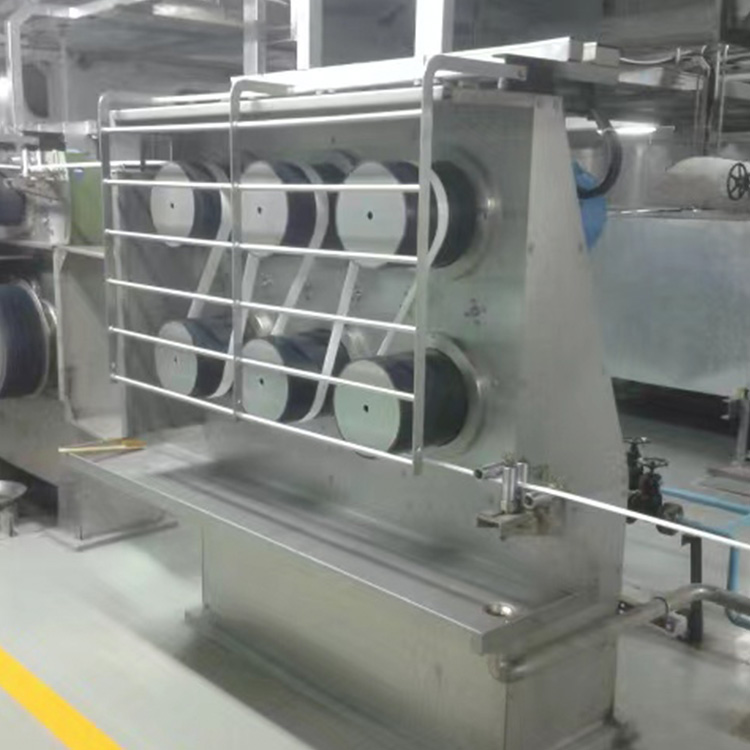
Before diving into the specific criteria for selecting your machinery, it is essential to have a comprehensive understanding of what this technology entails. The manufacturing of synthetic fibers is a highly complex, multi-stage process that combines polymer chemistry, thermodynamics, and advanced mechanical engineering. A fully integrated system takes raw polyester—either in the form of virgin petrochemical chips or recycled post-consumer bottle flakes—and transforms it into versatile, high-strength staple fibers used in everything from apparel and home textiles to automotive interiors and geotextiles.
In technical terms, a polyester staple fiber production line is an extensive, interconnected series of industrial machines designed to melt, extrude, spin, draw, crimp, and cut polyethylene terephthalate (PET) into discrete lengths of fiber. Unlike continuous filament yarn, staple fibers are cut to specific lengths (typically ranging from 32mm to 102mm) to mimic the properties of natural fibers like cotton or wool. This allows them to be spun into yarn on traditional textile machinery or used directly in non-woven applications.
The process begins with the crystallization and drying of the raw PET material to remove moisture, which would otherwise cause hydrolytic degradation during melting. The dried polymer is then fed into an extruder, where it is melted under high heat and pressure. This molten polymer is forced through micro-fine holes in a spinneret, emerging as continuous filaments. These filaments are rapidly cooled (quenched), gathered into a tow, and then subjected to a series of drawing (stretching) processes to align the polymer molecules and impart tensile strength. Finally, the tow is crimped to add texture and bulk, heat-set to lock in the physical properties, and cut into staple fibers before being baled for shipment.
The quality of the machinery directly correlates with the quality of the final product and the profitability of the operation. A substandard setup will suffer from frequent breakdowns, high energy consumption, and inconsistent fiber quality—such as uneven denier, poor tenacity, or inadequate crimp. In contrast, investing in a premium polyester staple fiber production line ensures high operational uptime, minimal waste, and the ability to produce premium-grade fibers that command higher prices in the market. Furthermore, as the global push for sustainability intensifies, having a system capable of efficiently processing 100% recycled PET flakes without compromising on fiber quality is a massive competitive advantage.
Selecting the right equipment requires a meticulous evaluation of your business goals, target market, and operational capabilities. The market offers a wide array of configurations, and navigating these options can be daunting. When you are evaluating the specific type of PSF production line for your facility, you must look beyond the initial purchase price and consider the long-term operational dynamics.
The first and perhaps most critical decision is determining the required production capacity. This decision should be based on a thorough market analysis and your available capital. For startups or companies targeting niche markets (such as specialized colored fibers or specific non-woven applications), a smaller capacity might be appropriate. However, for those looking to compete in the broader commodity market, economies of scale are vital. Investing in a 3000 to 30000 tons PSF line provides the necessary scalability. A 3,000-ton line offers a manageable entry point with lower initial capital expenditure, while a 30,000-ton line maximizes throughput, significantly reducing the cost per kilogram of fiber produced. It is crucial to choose a system that not only meets your current needs but also offers the flexibility for future expansion.
In today's industrial landscape, labor costs and the need for absolute precision make automation non-negotiable. When evaluating the core polyester staple fiber machine, you must assess its control systems. Modern lines utilize advanced Programmable Logic Controllers (PLCs), Human-Machine Interfaces (HMIs), and Supervisory Control and Data Acquisition (SCADA) systems. These technologies allow operators to monitor and adjust temperatures, pressures, and speeds across the entire line from a centralized control room. Implementing an automatic fiber production line minimizes human error, ensures consistent product quality, and drastically reduces the number of operators required on the factory floor. Features like automatic screen changers in the extrusion phase and automated doffing systems in the winding phase are hallmarks of a state-of-the-art facility.
The volatility of raw material prices is a significant challenge in fiber manufacturing. Therefore, the flexibility of your machinery is a key determinant of profitability. A top-tier polyester staple fiber production line should be engineered to handle both virgin PET chips and recycled PET bottle flakes. Processing recycled flakes is technically more demanding due to variations in intrinsic viscosity (IV), moisture content, and potential impurities. The system must feature robust drying and crystallization units, advanced melt filtration systems to remove contaminants, and specialized screw designs in the extruder to handle the inconsistent bulk density of flakes. The ability to seamlessly switch between or blend these raw materials allows manufacturers to optimize their input costs based on real-time market conditions.
To make an informed purchasing decision, you must understand the function and critical specifications of the individual components that make up the entire system. A chain is only as strong as its weakest link, and a polyester staple fiber production line is no exception. Each stage of the process must be perfectly synchronized with the next.
The spinning system is the heart of the operation. It begins with the extruder, which must provide a homogenous, perfectly melted polymer melt at a consistent temperature and pressure. The design of the extruder screw (specifically its Length-to-Diameter or L/D ratio) is crucial for ensuring proper mixing and melting, especially when processing recycled materials. From the extruder, the melt travels through a continuous polymer filter to remove microscopic impurities, and then into the spin beam. The spin beam distributes the melt evenly to the spin packs and spinnerets. The precision of the spinneret micro-holes dictates the denier (thickness) of the individual filaments. Immediately after extrusion, the filaments enter the quenching chamber, where carefully controlled cross-flow or radial airflow cools and solidifies the molten polymer. The uniformity of this quenching process is vital for ensuring consistent fiber properties.
Once the filaments are spun and gathered into a tow, they lack the necessary tensile strength for textile applications. The drawing stage solves this. The tow is passed through a series of draw stands consisting of heated rollers operating at progressively higher speeds. This stretching process aligns the polymer chains along the fiber axis, dramatically increasing its strength and tenacity. The process usually involves a combination of hot water baths and steam chests to keep the polymer in a pliable state during drawing. Following the drawing stage, the tow enters the crimper. Using a stuffer box mechanism, the crimper forces the tow into a confined space, causing the fibers to buckle and form a zig-zag, wavy texture. This crimp is essential because it gives the synthetic fiber the cohesion and bulkiness needed to be spun into yarn, mimicking the natural crimp of wool or cotton.
After crimping, the fiber tow is still under internal stress. It must pass through a relaxing oven, where hot air circulation relieves these stresses and heat-sets the crimp, ensuring dimensional stability. Once relaxed, the continuous tow must be cut into staple lengths. High-speed rotary cutters slice the tow with extreme precision. The cut fibers are then pneumatically conveyed to the baling press. In some specialized setups, particularly those dealing with continuous tow for specific applications, a fiber cans production line is integrated to neatly coil the tow into large cylindrical cans for further processing before cutting. Finally, the automated baling press compresses the fluffy staple fibers into dense, standardized bales, wrapping and strapping them for efficient storage and global shipping.
Capital expenditure is only one part of the financial equation. To truly evaluate the viability of a polyester staple fiber production line, you must conduct a comprehensive Return on Investment (ROI) analysis that factors in long-term operational expenses.
Fiber manufacturing is an energy-intensive process. Heating the polymer to over 280°C, running massive extruder motors, generating steam for the drawing process, and powering the relaxing ovens consume vast amounts of electricity and thermal energy. Therefore, the energy efficiency of the machinery is a critical selection criterion. Look for lines that incorporate advanced insulation on the spin beams and extruders to minimize heat loss. Modern systems utilize variable frequency drives (VFDs) on all major motors, ensuring they only consume the exact amount of power required for the specific load. Additionally, advanced heat recovery systems can capture waste heat from the relaxing oven or quenching system and repurpose it to pre-heat raw materials or generate steam, significantly reducing the overall energy footprint and operational costs.
Downtime is the enemy of profitability. A robust polyester staple fiber production line is built with high-quality metallurgy and precision engineering to withstand the rigors of 24/7 continuous operation. However, maintenance is inevitable. When choosing a supplier, evaluate the accessibility of critical components for routine maintenance. How easy is it to change the spin packs? How accessible are the extruder screws for cleaning? Furthermore, consider the availability of spare parts and the supplier's after-sales support network. A reputable manufacturer will provide comprehensive training for your operators and maintenance staff, detailed technical manuals, and rapid response times for troubleshooting. The lifespan of a well-maintained line can easily exceed 15 to 20 years, making the initial investment in higher-quality, durable equipment highly cost-effective in the long run.
To further assist in your decision-making process, we have compiled detailed answers to some of the most common questions regarding fiber manufacturing equipment.
A: The timeline can vary significantly based on the capacity and customization of the line. Generally, manufacturing the equipment takes between 3 to 5 months. Shipping, depending on the destination, can take an additional 1 to 2 months. Installation and commissioning at your facility typically require 4 to 8 weeks, involving a team of specialized engineers from the manufacturer. Therefore, you should plan for a total lead time of 6 to 9 months from the signing of the contract to the first commercial production run.
A: While a standard line is designed for solid fibers (used in spinning and standard non-wovens), producing hollow conjugated fibers (used primarily for filling materials in pillows, jackets, and plush toys) requires specific modifications. You will need specialized spinnerets designed to extrude hollow cross-sections, and the quenching and crimping parameters must be adjusted. Many high-quality lines can be engineered to be versatile, allowing you to switch between solid and hollow fiber production by changing the spin packs and adjusting the PLC recipes, though this requires careful planning during the initial purchase phase.
A: The footprint depends entirely on the capacity. A compact 3,000-ton line might require a building approximately 60 meters long, 15 meters wide, and 12 meters high to accommodate the spin beam and quenching towers. A massive 30,000-ton line will require a significantly larger facility, often exceeding 120 meters in length and requiring multi-story steel structures for the extrusion and spinning sections. It is crucial to consult with the machinery manufacturer early in your planning process to obtain precise foundation drawings and layout requirements before constructing your factory building.
A: The primary environmental impacts are energy consumption and emissions from the heating mediums (like Dowtherm). However, modern lines are highly optimized to minimize these impacts. More importantly, by configuring your line to process 100% recycled PET bottle flakes, your operation becomes a critical component of the circular economy. You are actively diverting plastic waste from landfills and oceans, transforming it into valuable textile products. Additionally, modern setups include closed-loop water cooling systems and advanced exhaust filtration to ensure compliance with strict global environmental regulations.
A: Safety is paramount. High-quality machinery comes equipped with comprehensive safety features, including emergency stop cord systems along the entire length of the drawing line, safety interlocks on all rotating machinery (like cutters and crimpers), and heavy-duty guarding. Furthermore, the high level of automation reduces the need for operators to physically interact with the moving tow or high-temperature components. Proper training, strict adherence to standard operating procedures (SOPs), and regular safety audits are essential to maintaining a hazard-free work environment.
Choosing the right equipment is the foundational step in building a successful, profitable, and sustainable textile manufacturing business. The intricacies of polymer extrusion, the precision of the spinning process, and the robust engineering required for drawing and crimping all culminate in the final quality of the fiber you produce. By carefully evaluating your capacity needs, prioritizing automation, and ensuring raw material flexibility, you position your enterprise for long-term success in a competitive global market.
Investing in a top-tier polyester staple fiber production line offers unparalleled advantages that directly impact your bottom line. First and foremost is the exceptional product consistency; advanced PLC controls and precision-engineered spinnerets guarantee uniform denier, superior tenacity, and perfect crimp, allowing you to command premium prices from textile mills. Secondly, the operational efficiency is unmatched. High levels of automation drastically reduce labor costs, while state-of-the-art energy recovery systems and VFD-controlled motors minimize power consumption, significantly lowering your daily operating expenses. Thirdly, the robust versatility of these systems provides immense strategic value. The ability to seamlessly transition between processing virgin PET chips and recycled post-consumer flakes ensures that you can adapt to fluctuating raw material costs and capitalize on the booming demand for eco-friendly, sustainable textiles. Finally, the durability and extended lifespan of premium machinery, backed by reliable after-sales support, guarantee a high return on investment, ensuring that your facility remains a powerhouse of production for decades to come.
