

Views: 0 Author: Site Editor Publish Time: 2026-09-30 Origin: Site


Upgrading or procuring a stenter temperature control system is rarely an off-the-shelf transaction. It requires aligning stringent technical requirements alongside rigid supply chain realities. For textile and advanced material manufacturers, miscalculating procurement timelines causes severe operational issues. Component minimums also create unexpected procurement hurdles. Mismanaging these factors leads directly to costly production downtime. It compromises your overall fabric finishing quality. You cannot afford machine delays when client deadlines loom large.
This guide provides a practical, evidence-based framework for calculating realistic lead times. We help you navigate complex component minimum order quantities (MOQs). You will learn how to structure your procurement process effectively. This approach ensures a completely seamless implementation sequence. You will discover how logistics, testing, and supplier vetting integrate smoothly. Proper planning prevents expensive bottlenecks.
Lead times are specification-dependent: Standard control retrofits typically require 4–8 weeks, whereas custom systems for advanced applications (like carbon fiber) can extend beyond 16 weeks.
MOQ applies to customization: While core control units have low MOQs, customized sensor arrays, specialized thermal valves, and proprietary heating elements often require batch minimums.
Supplier transparency is the best risk metric: A credible stenter temperature control supplier will provide a phased timeline that includes manufacturing, shipping, integration, and thermal calibration, rather than just a "ship date."
Downtime mitigation requires parallel planning: Procurement lead times must overlap with site preparation and pilot testing to avoid prolonged operational halts.
Failing to align supply chain timelines and production schedules causes immense damage. It results in severely bottlenecked operations across your entire facility. You experience delayed product launches. Clients lose trust when you miss critical delivery dates. Rushed procurement introduces massive risks into your manufacturing ecosystem. When managers panic buy, they often compromise system compatibility to get parts faster.
This rushed approach directly impacts your ability to maintain a high quality stenter with perfect tension. Heat variations ruin delicate fabrics instantly. Uneven tension distorts advanced materials during the curing phase. Inaccurate sensors lead to over-drying or under-curing. Both outcomes generate expensive scrap material.
A successful procurement plan synchronizes component delivery perfectly. It aligns deliveries seamlessly alongside scheduled maintenance windows. You minimize unpredicted downtime effectively. You also secure necessary volume discounts by planning ahead. Proper planning ensures you hit vendor minimums without overspending your quarterly budget.
Many facility managers wait until old controllers fail completely before ordering replacements. This reactionary approach guarantees excessive facility downtime. Production lines sit idle while you wait for international shipping. You lose revenue every single hour those machines remain cold. Another common error involves ignoring international port delays. Global freight remains highly unpredictable today. You must build buffer weeks into your master production schedule. Ignoring logistics leads to broken promises.
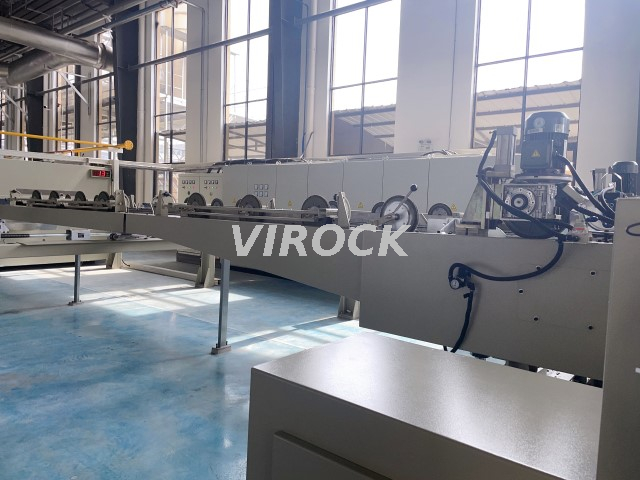
Technical requirements directly govern your mandatory waiting period. Standard versus custom variables change timelines drastically. Off-the-shelf PID controllers arrive fast. Standard thermocouples also have predictable, short lead times. Manufacturers keep these common items stocked globally in large warehouses. Deeply integrated PLC systems tell a completely different story. They require custom engineering from start to finish. You face extended manufacturing windows. Custom logic boards need unique programming tailored to your facility.
Advanced material processing changes the timeline equation further. Specialized applications demand incredibly robust components. For example, carbon fiber processing requires extreme heat stability. You need sensors capable of surviving aggressive oxidation environments. Precision thermal zones extend both engineering and physical sourcing phases. You must locate specialized oxidation-resistant metals. This inherently pushes your timeline out by weeks. High-demand polyester heat-setting acts similarly. It demands highly accurate multi-zone monitoring capabilities.
Compliance and testing also consume valuable time. You must factor in factory acceptance testing (FAT). Do not skip CE/ISO compliance verification for any reason. Strict stenter temperature control specifications inherently add 2–4 weeks to your timeline. Engineers must validate every safety parameter thoroughly. They run continuous load simulations before shipping. Regulatory compliance protects your factory floor personnel. It ensures operators remain safe during high-temperature production runs.
Industrial Minimum Order Quantities (MOQs) often frustrate procurement buyers. Core control panels usually have an MOQ of exactly one. You simply buy the main processing unit you need. However, customized peripherals complicate industrial orders significantly. Specialized thermal valves require rigid batch minimums. Proprietary exhaust sensors and bespoke heating elements demand larger orders. Manufacturers refuse to retool assembly lines for a single custom valve. The setup costs simply prohibit small batches.
You can leverage these batch requirements strategically instead of fighting them. We call this the proactive spares strategy. Use component MOQs to build an internal maintenance inventory. Stock up on critical wear parts ahead of time. Thermocouples and specialized solid-state relays degrade over time naturally. Keeping them on hand reduces future emergency maintenance delays. A textile line stops instantly when a main relay blows. Having a spare on the shelf gets you running in mere minutes.
Smart negotiation makes this process highly affordable. Work closely alongside your stenter temperature control supplier. Ask them to split large MOQs across scheduled quarterly deliveries. Industry experts call these agreements blanket orders. They help you manage factory cash flow effectively. You secure all necessary custom parts in advance. You just avoid paying the full sum upfront. A credible partner understands factory budget cycles intimately. They accommodate structured delivery schedules for reliable clients.
You need a structured approach to timeline calculation. Guesswork leads directly to installation disasters. We break this process down into four distinct phases. Following these precise phases ensures you capture every hidden delay.
Phase 1: Technical Scoping (1–3 Weeks). You must define precise thermal requirements early. Establish dimensional stability goals alongside key tension parameters. Bring your engineers and floor managers together. They must agree on the final operational specifications.
Phase 2: Manufacturing & Assembly (4–12 Weeks). Timeframes depend entirely on physical component availability. Customization depth dictates the actual duration of this phase. Custom wire harnesses add several weeks to this timeline. Complex programming also extends assembly times.
Phase 3: Logistics & Customs (1–6 Weeks). Budget extra time for sea freight realities. Heavy heat exchangers require slow ocean transit. Port delays happen constantly in today's market. Customs clearance takes patience and flawless documentation.
Phase 4: Installation & Calibration (1–2 Weeks). Schedule uninterrupted on-site work. Technicians handle physical integration and complex software configuration. They execute precise thermal mapping procedures across the machine. This guarantees uniform heat distribution across your fabric webs.
Implementation Timeline Summary
Phase | Duration | Key Activities | Major Risk Factors |
|---|---|---|---|
1. Scoping | 1–3 Weeks | Define thermal requirements, set tension parameters. | Misaligned internal engineering goals. |
2. Manufacturing | 4–12 Weeks | Component assembly, custom PLC programming. | Global chip shortages, raw material delays. |
3. Logistics | 1–6 Weeks | Freight transit, customs clearance, final delivery. | Port congestion, incorrect customs documents. |
4. Installation | 1–2 Weeks | System integration, thermal mapping, calibration. | Unexpected facility power incompatibilities. |
Choosing the right manufacturing partner dictates your project success. Evaluating verbal promises against supply realities remains crucial. Be highly skeptical of suppliers promising radically shortened lead times. If they lack standardized inventory, they are simply overpromising. This optimistic selling strategy leads to broken production schedules. It hurts your bottom line eventually.
Implement evidence-oriented vetting procedures immediately. Demand transparent supply chain data from every vendor. Ask suppliers for historical on-time delivery rates. Request their specific contingency plans for component shortages. A reliable manufacturer shares these metrics willingly. They hide nothing from prospective buyers. They understand transparency builds long-term trust.
Prioritize suppliers offering robust pilot testing capabilities. Look for localized pilot testing facilities. Virtual factory acceptance testing (FAT) provides another excellent option. You need to see the system function correctly. Do this before they ship the full system across the ocean. It prevents costly on-site modifications during final installation.
Best Practices for Supplier Vetting
Request detailed case studies showing similar thermal tolerance achievements.
Verify current ISO certifications for their primary manufacturing facilities.
Check their internal stock levels for critical replacement parts.
Ask for technical reference contacts from previous machinery installations.
Next-step actions require concrete project documentation. Move from your initial inquiry to requesting a Gantt chart. This detailed, itemized chart must cover everything. It tracks progress from order placement to final site calibration. Do not accept a simple estimated ship date. You need milestone visibility to plan your facility downtime accurately.
Effective planning for stenter temperature control systems requires diligence. You must move past generalized estimates entirely. Build a rigid timeline based on specific operational specs. Account for actual component supply realities in today's unpredictable market.
Audit your current maintenance schedules now. Identify your upcoming upgrade windows early. This proactive step yields immense operational benefits. It allows you to trigger the procurement cycle properly. Start this process 4–6 months ahead of actual installation needs.
Begin by documenting your precise thermal requirements. Record your exact fabric tension needs. Use this comprehensive data to form a strong Request for Quotation (RFQ). Contact your engineering team today. Map out your next major facility upgrade systematically.
A: Typically 8 to 14 weeks, depending on the level of software integration, the complexity of the heating zones, and current global supply chain conditions.
A: Custom fabrication of precise sensors, specialized wiring harnesses, or custom-machined thermal valves requires setup costs that manufacturers must offset through minimum production batches.
A: Processing advanced composites requires significantly higher temperature ranges, specialized oxidation-resistant materials, and stricter safety compliance, which often adds several weeks to engineering and sourcing.
A: While lighter control panels and sensors can be air-freighted to save weeks, heavy mechanical components (like automated dampers or large heat exchangers) typically require sea freight. Always calculate the ROI of expedited air freight against production downtime costs.


