

Views: 0 Author: Site Editor Publish Time: 2026-09-10 Origin: Site


Bridging the gap between lab-scale color matching and bulk production presents a massive hurdle. You might match a lab dip perfectly today. Your factory floor often fails to replicate it tomorrow on a ten-ton run. This discrepancy causes major material waste. Evaluating sample machines requires looking far beyond basic color fastness. You must verify mechanical reproducibility carefully. You must assess utility requirements and scalability before approving capital expenditure. Treating demo equipment purely as simple color checkers creates painful production bottlenecks later. We built this guide as a pragmatic framework. Procurement teams can audit equipment options strictly. Lab managers can compare these tools confidently before purchasing. Read on to master selecting the best sample machines for seamless lab-to-bulk transitions.
Low "Right-First-Time" (RFT) rates destroy profit margins across many textile industries today. RFT measures how often a dyed fabric meets quality standards during the initial run. Poor RFT means you must re-dye batches. Redyeing consumes extra water, chemicals, and valuable time. A high RFT rate starts inside the lab. If your lab equipment cannot simulate real factory conditions, your RFT metric plummets.
You must align lab capabilities directly to production realities. The primary evaluation goal remains simple. Your sample machine must replicate the exact physical and chemical conditions present on the production floor. You cannot rely on approximations. A lab machine acting differently from your bulk vessel provides useless baseline data. Operators need reliable translation from one machine scale to another.
Consider three critical metrics for evaluating any sample equipment:
Procurement teams must analyze specific technical details. Comparing core textile dyeing machine specifications reveals hidden strengths or glaring weaknesses. You should scrutinize heating methods, automation levels, and material quality before making any decisions.
Heating and cooling gradients dictate dye penetration. Infrared (IR) heating technology offers rapid temperature shifts. Traditional glycerin or oil bath technologies hold heat longer but heat up slower. Precision matters immensely here. A temperature tolerance of ±0.1°C represents the standard for high-end procurement. Any variance beyond this tolerance alters the final shade.
Heating Technology Comparison
| Feature | Infrared (IR) Heating | Traditional Oil/Glycerin Bath |
|---|---|---|
| Temperature Precision | Excellent (±0.1°C standard) | Good (±0.5°C typical) |
| Heat-Up Speed | Very Fast | Moderate to Slow |
| Contamination Risk | Zero (No liquids used for heating) | High (Oil spills can ruin samples) |
| Maintenance Demand | Low (Sensor calibration needed) | High (Fluid replacement and cleaning) |
Automation levels separate average machines from excellent ones. You should evaluate programmable logic controllers (PLCs). Modern PLCs integrate seamlessly into existing factory ERP systems. They also communicate directly to colorimetry systems. Automated precision dosing eliminates human error during sampling. Machines using automatic pipettes deliver exact auxiliary chemical volumes. Hand-dosing often causes subtle batch variations.
Build quality ensures equipment longevity. Corrosive chemicals break down cheap metals rapidly. You must demand high-grade stainless steel construction. Industry experts recommend 316L stainless steel specifically. This specific alloy resists pitting from harsh chlorides. It prevents cross-contamination between different dye lots over many years.
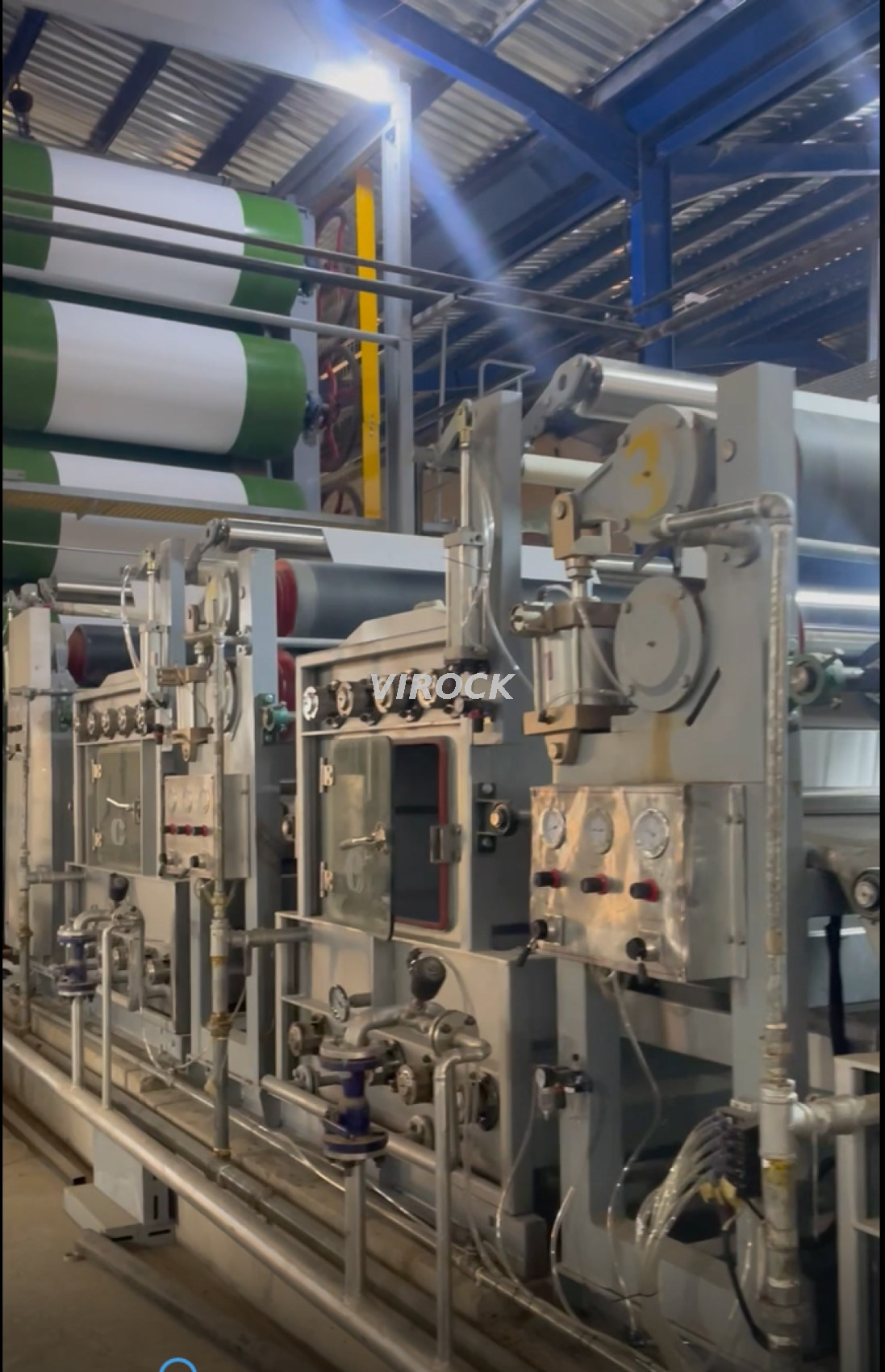
Lab environments typically lack the expansive square footage found on production floors. You must map out physical space demands carefully. Utility mapping prevents installation disasters. You need to calculate exact power loads, chilled water access, and compressed air availability.
Sample evaluation remains incomplete without proper washing and finishing steps. Unwashed samples retain unfixed surface dyes. These loose dyes skew spectrophotometer readings completely. You cannot evaluate true color fastness accurately. Shrinkage tests also require a fully finished fabric swatch.
You must pair the dyeing unit alongside compatible finishing equipment. Integrating a 220v reliable open width washing machine ensures accurate sample assessment. Open width washing prevents crease marks. It mimics continuous production washing ranges perfectly. Testing fabric hand or softness requires this holistic approach. A beautiful dye job means nothing if the fabric feels stiff after inadequate washing.
Buyers often fall victim to the perfect sample fallacy. We must address this trustworthy, realistic limitation openly. No lab machine guarantees 100% bulk replication automatically. Perfect replication requires incredibly strict operator Standard Operating Procedures (SOPs). A machine simply executes programmed instructions. Operators must synchronize water quality between the lab and the production floor. They must use identical dye lots. The machine merely provides the baseline data.
Operator adoption risk threatens many new installations. Modern machines feature proprietary software interfaces. Veteran dyers often resist new touchscreen controls. They prefer manual knobs and familiar older systems. This learning curve causes initial productivity drops. You must account for training time. Intuitive software design minimizes this adoption friction significantly. Complicated menus frustrate users.
Maintenance overhead differs drastically across machine types. IR machines require meticulous sensor calibration. Dirty sensors misread beaker temperatures. Conversely, thermal oil machines present messy, hazardous maintenance routines. Replacing degraded thermal oil poses burn risks. Spilled oil creates slipping hazards on the lab floor. You must balance clean calibration tasks against dirty mechanical upkeep.
Shifting your focus from the machine to the partner changes everything. The best equipment fails miserably without solid backend support. You are entering a long-term partnership. A reliable textile dyeing machine supplier provides much more than a physical product. They deliver expertise, rapid troubleshooting, and operational security.
You need a strict evaluation checklist for vetting these partners. Do not accept vague promises. Demand written commitments regarding support timelines and safety standards. Consider the following crucial vetting categories:
Comparing various textile dyeing machine options requires looking far past upfront costs. You must focus intently on reproducibility, workflow integration, and supplier reliability. Equipment failing to mimic factory conditions wastes valuable time. A solid procurement strategy evaluates utility demands, heating precision, and automation capabilities thoroughly.
We advise buyers to narrow their choices down to two or three vendors. Request physical trial runs immediately. Supply the vendors using your factory's own grey cloth and current dye recipes. Evaluate the resulting swatches under your own spectrophotometers. Finally, mandate a site visit to assess internal machine build quality. Inspecting the stainless steel welds in person reveals the true manufacturing standards.
A: The ideal liquor ratio must match your bulk production machines exactly. This typically ranges between 1:4 and 1:8 depending on the fabric type. Maintaining identical ratios ensures the dye exhaustion rates in the lab mirror the factory floor.
A: Infrared machines offer cleaner operation, faster heat-up times, and lower maintenance. They eliminate hazardous oil spills. However, IR technology often requires a higher initial capital cost compared to traditional oil or glycerin bath systems.
A: No machine guarantees 100% replication automatically. Perfect replication requires synchronized water quality, identical dye lots, and scaled tension control. The lab machine provides accurate baseline data, but strict operator SOPs ensure the final bulk success.


