


TL;DR: The open-width compactor is a revolutionary piece of machinery in the textile finishing industry, specifically designed to control shrinkage, improve dimensional stability, and enhance the hand-feel of woven fabrics. By utilizing advanced mechanical shrinking processes, precise steam application, and sophisticated tension control systems, this equipment ensures that woven textiles meet the highest international quality standards. This comprehensive guide explores its applications, technical mechanisms, integration into production lines, and the ultimate advantages it brings to modern textile manufacturing.
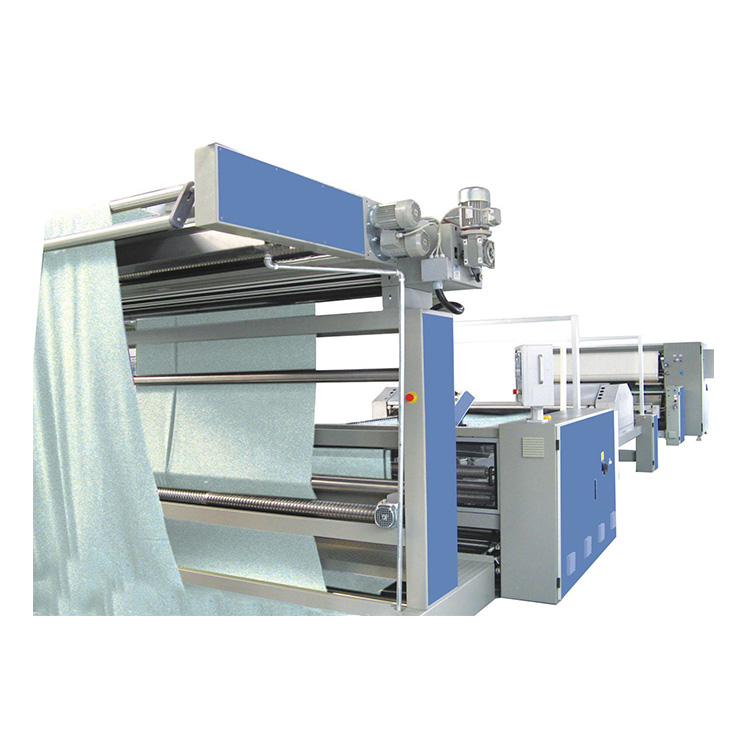
In the highly competitive world of textile manufacturing, the finishing process is the critical final step that determines the quality, durability, and market value of the fabric. Among the various machines utilized in this phase, the open-width compactor stands out as an indispensable asset, particularly for woven fabrics. Unlike knitted fabrics, which have a natural elasticity and loop structure, woven fabrics are created by interlacing warp and weft yarns. This structural difference means that woven fabrics are highly susceptible to dimensional changes, especially shrinkage when exposed to washing and drying by the end consumer. To combat this, manufacturers rely heavily on advanced compacting technology.
The primary objective of this finishing process is to pre-shrink the fabric mechanically, thereby guaranteeing that the final garment or textile product retains its shape and size throughout its lifecycle. Furthermore, the compacting process significantly upgrades the tactile properties of the fabric, giving it a softer, more luxurious feel, which is highly sought after in premium apparel and home textiles. As we delve deeper into the intricacies of this technology, we will uncover how it transforms raw, processed textiles into finished masterpieces ready for the global market.
Understanding the Mechanics of the Open-Width Compactor
To fully appreciate the applications of the open-width compactor, it is essential to understand how it operates on a mechanical level. At its core, the machine is designed to force the yarns of the fabric closer together in the lengthwise (warp) direction. This is achieved through a combination of heat, moisture, and mechanical pressure. When the woven fabric enters the machine, it is first subjected to a steaming process. The steam penetrates the fibers, relaxing the internal stresses that were introduced during spinning, weaving, and prior wet processing stages like dyeing and bleaching.
Once the fibers are relaxed and pliable, the fabric passes over a series of heated cylinders and is pressed against a thick, endless felt or rubber belt. The difference in speed between the feeding mechanism and the compacting zone creates an overfeed. As the belt curves around the heated cylinder, its outer surface stretches; when it straightens out, it recoils. Because the fabric is held tightly against the belt, it is forced to recoil with it, effectively compressing the warp yarns and reducing the fabric's length. This mechanical compaction is permanently set into the fabric by the heat of the cylinder, ensuring that subsequent washing will not cause further significant shrinkage.
Modern iterations of this machinery are highly sophisticated. They are equipped with advanced sensors, load cells, and automated control systems to ensure that the exact amount of compaction is applied uniformly across the entire width and length of the fabric batch. This precision is what separates high-end textile finishing from mediocre processing, making the compactor a non-negotiable requirement for quality-conscious textile mills.
Core Applications of the Open-Width Compactor in Woven Fabrics
The versatility of the open-width compactor allows it to be used across a wide spectrum of woven fabric types, each with its own specific finishing requirements. From heavy-duty denims to delicate shirtings, the machine adapts to provide optimal results. Below, we explore the primary applications and the specific benefits imparted to different categories of woven textiles.
Achieving Ultimate Shrinkage Control with an Open-Width Compactor
The most critical application of the open-width compactor is shrinkage control. Woven fabrics, particularly those made from natural fibers like cotton, linen, and viscose, have a high propensity to shrink. If a garment is manufactured from un-compacted fabric, the consumer will experience severe sizing issues after the first wash. The compactor addresses this by artificially inducing the shrinkage that would normally occur during washing.
For instance, in the production of high-quality cotton shirting, dimensional stability is paramount. A shirt must maintain its collar size, sleeve length, and overall fit. By processing the shirting fabric through the compactor, manufacturers can guarantee residual shrinkage levels of less than 1% to 2%, meeting strict international retail standards. The machine allows operators to dial in the exact overfeed and temperature settings required for specific fabric weights and compositions, ensuring consistent, repeatable results batch after batch.
Enhancing Fabric Hand-Feel and Luster via the Open-Width Compactor
Beyond dimensional stability, the open-width compactor plays a vital role in enhancing the aesthetic and tactile qualities of woven fabrics. The combination of steam, heat, and the pressure applied by the felt or rubber belt acts similarly to a giant industrial iron. This process flattens the surface of the fabric, reducing hairiness and aligning the surface fibers.
The result is a fabric with a noticeably softer hand-feel and a subtle, elegant luster. This is particularly beneficial for fabrics used in luxury apparel, bed linens, and high-end upholstery. The mechanical softening achieved by the compactor often reduces the need for excessive chemical softeners, making the finishing process more environmentally friendly and cost-effective. Furthermore, the smooth surface created by the compacting process improves the fabric's printability, allowing for sharper, more vibrant printed designs.
Technical Innovations in the Modern Open-Width Compactor
The textile machinery industry has seen rapid technological advancements, and the open-width compactor is no exception. Today's machines are a far cry from the purely mechanical devices of the past. They are highly integrated, intelligent systems designed to maximize efficiency, minimize waste, and ensure unparalleled quality control.
One of the most significant upgrades is the integration of advanced automation. A modern textile compacting machine is typically controlled by a sophisticated Programmable Logic Controller (PLC). A PLC compactor machine allows operators to store hundreds of fabric profiles and recipes. With a touch of a button on an HMI (Human-Machine Interface) screen, the machine automatically adjusts steam pressure, cylinder temperature, overfeed ratios, and operating speed to match the specific requirements of the fabric being processed. This eliminates human error and drastically reduces setup times between different production runs.
Additionally, modern compactors feature advanced tensionless feeding systems. Woven fabrics, especially those with stretch components (like elastane/spandex blends), are highly sensitive to tension. If the fabric is pulled too tightly before entering the compacting zone, the effectiveness of the shrinkage control is compromised. Innovative edge-pinning and centering devices ensure that the fabric is fed into the machine perfectly flat and completely relaxed, maximizing the compaction effect and preventing issues like edge curling or bowing.
Seamless Integration of the Open-Width Compactor with Other Machinery
In a modern textile mill, no machine operates in isolation. The open-width compactor is a crucial node in a continuous, highly synchronized production line. Its effectiveness relies heavily on how well it integrates with upstream and downstream processes. Typically, the compactor is positioned at the very end of the finishing sequence, acting as the final quality gate before the fabric is rolled and shipped.
Before reaching the compactor, woven fabrics usually pass through a stenter frame. The stenter is responsible for drying the fabric, applying chemical finishes (like resins or water repellents), and setting the fabric's width. It is imperative that the moisture content of the fabric exiting the stenter is strictly controlled, as the compactor requires a specific moisture level (usually between 8% and 12% for cotton) to achieve optimal plasticization and shrinkage. Many state-of-the-art mills utilize integrated moisture sensors that communicate directly between the stenter and the compactor to maintain this delicate balance.
Maximizing Efficiency in Open Width Finishing with the Open-Width Compactor
The concept of open width finishing is central to processing woven fabrics. Unlike tubular finishing, which is common for knits, open-width processing ensures that the fabric remains flat, preventing crease marks and ensuring uniform treatment across the entire surface area. The open-width compactor is the pinnacle of this philosophy.
By maintaining the fabric in an open, flat state while applying intense compaction, the machine guarantees that the center and the selvedges (edges) of the fabric receive identical treatment. This uniformity is critical for garment manufacturers, as variations in shrinkage across the width of a fabric roll can lead to twisted seams and deformed garments. The precision of the compactor ensures that every square inch of the fabric meets the required specifications, thereby maximizing the yield and profitability of the entire finishing operation.
Selecting the Ideal Woven Fabric Compactor: Why the Open-Width Compactor Excels
When textile manufacturers are looking to upgrade their facilities, choosing the right woven fabric compactor is a decision that impacts the bottom line for years to come. The market offers various shrinking solutions, including traditional sanforizing machines and rubber belt shrinkers. However, the modern open-width compactor utilizing felt belt technology has become the industry standard for several compelling reasons.
Firstly, the felt belt provides a superior, softer hand-feel compared to traditional rubber belts, which can sometimes leave a harsh, glazed finish on delicate woven fabrics. Secondly, felt belt compactors are generally more versatile, capable of handling a wider range of fabric weights—from lightweight voiles to medium-weight twills—without requiring extensive mechanical reconfigurations.
Furthermore, the energy efficiency of modern open-width compactors is unmatched. Advanced thermal insulation, optimized steam boxes that prevent condensation dripping, and energy recovery systems significantly reduce the consumption of steam and electricity. In an era where sustainability and operational costs are major concerns for textile producers, investing in a highly efficient compactor is not just a quality upgrade; it is a strategic financial decision.
The Role of the Open-Width Compactor in Sustainable Textile Production
Sustainability is no longer a buzzword; it is a strict requirement dictated by global brands and environmentally conscious consumers. The textile finishing process is traditionally resource-intensive, consuming vast amounts of water, energy, and chemicals. The modern open-width compactor has evolved to address these environmental challenges head-on.
By relying primarily on mechanical compaction rather than heavy chemical cross-linking agents (resins) to achieve dimensional stability, the compactor significantly reduces the chemical footprint of the finished fabric. This not only makes the fabric safer for the consumer (reducing formaldehyde levels) but also simplifies the wastewater treatment process for the factory.
Moreover, the latest models feature closed-loop steam systems. Instead of venting excess steam into the atmosphere, these systems capture, filter, and recirculate the steam, drastically cutting down on boiler fuel consumption. The precision of PLC controls also ensures that energy is only used exactly when and where it is needed, eliminating the wasteful continuous running of heating elements during machine idling. Through these innovations, the open-width compactor proves that high-quality textile finishing and environmental stewardship can go hand in hand.
Maintenance and Troubleshooting for Your Open-Width Compactor
To ensure the longevity and consistent performance of an open-width compactor, a rigorous maintenance schedule is mandatory. Neglecting maintenance not only leads to machine breakdowns but, more importantly, results in degraded fabric quality, causing costly rejections from buyers.
Daily Maintenance: Operators must clean the steam boxes and suction slots to prevent lint buildup, which can cause water droplets to fall onto the fabric, creating permanent stains. The felt belt must be inspected for any debris or chemical residue. Furthermore, ensuring that the fabric tension sensors are free from dust is critical for accurate operation.
Weekly and Monthly Maintenance: The heating cylinders must be checked for uniform temperature distribution using infrared thermometers. Any cold spots indicate issues with the steam traps or internal siphons. The tension of the felt belt must be calibrated; a belt that is too loose will not compact the fabric, while a belt that is too tight will wear out prematurely. Lubrication of all moving parts, especially the main drive bearings, must be carried out according to the manufacturer's specifications.
Common Troubleshooting:
- Uneven Shrinkage: This is often caused by uneven moisture application before the compactor or uneven temperature across the heating cylinder. Check the stenter's moisture output and inspect the compactor's steam box for clogged nozzles.
- Fabric Yellowing: Usually a result of excessive heat or the machine stopping while the fabric is still in contact with the hot cylinder. Ensure the cooling system is functioning and that the PLC automatically lifts the fabric off the cylinder during a machine stop.
- Edge Curling: Indicates improper tension control at the feeding zone. Adjust the edge uncurlers and ensure the overfeed is balanced across the width of the machine.
Future Trends in Open-Width Compactor Technology
The future of textile finishing is deeply intertwined with the concepts of Industry 4.0, and the open-width compactor is at the forefront of this revolution. We are witnessing a shift towards fully autonomous finishing lines where machines communicate with each other in real-time to optimize the entire process.
Artificial Intelligence (AI) and Machine Learning (ML) are beginning to play a role in compaction technology. Future compactors will be able to analyze historical production data to predict the exact settings required for a new fabric blend before the first yard is even processed. By utilizing vision systems and in-line scanners, the machine will continuously monitor the fabric's density (picks per inch) and automatically adjust the overfeed on the fly to guarantee zero-defect production.
Additionally, as part of the broader ecosystem of fabric finishing equipment, we will see better integration of digital tracking. Each roll of fabric processed through the compactor will have a digital twin, containing all its processing parameters, shrinkage test results, and quality metrics, stored securely in the cloud. This traceability is becoming essential for meeting the transparency demands of global retail brands.
Frequently Asked Questions About the Open-Width Compactor
What is the main difference between an open-width compactor and a tubular compactor?
An open-width compactor processes fabric in a flat, open state, making it ideal for woven fabrics and open-width knits to prevent edge creases and ensure uniform surface treatment. A tubular compactor, on the other hand, processes fabric in a continuous tube shape, which is exclusively used for seamless circular knitted fabrics.
Can an open-width compactor completely eliminate fabric shrinkage?
While no mechanical process can absolutely guarantee 0% shrinkage forever, a high-quality open-width compactor can reduce residual shrinkage to highly acceptable commercial levels, typically between 1% and 3%, depending on the fiber composition and fabric structure. This ensures the garment maintains its fit after consumer washing.
How does the compactor improve the fabric's hand-feel?
The compactor improves hand-feel through a combination of steam, heat, and mechanical pressure. The steam swells and relaxes the fibers, while the pressure between the heated cylinder and the felt belt flattens the yarns, reduces surface hairiness, and aligns the fibers, resulting in a significantly softer and smoother texture.
Is a PLC compactor machine difficult to operate?
No, modern PLC-controlled compactors are designed to be highly user-friendly. They feature intuitive touch-screen interfaces (HMIs) that allow operators to select pre-programmed fabric recipes. The PLC automatically handles the complex adjustments of speed, tension, and temperature, making the operation much simpler and less prone to human error than older manual machines.
What types of woven fabrics benefit most from this machine?
Almost all woven fabrics made from natural fibers or blends benefit greatly. This includes cotton shirtings, denim, twills, bed linens, gabardine, and viscose blends. Any woven fabric that requires dimensional stability, a soft hand-feel, and a premium finish is an ideal candidate for open-width compaction.
Conclusion: Unmatched Product Advantages of Our Open-Width Compactor
In summary, the open-width compactor is not merely an optional accessory in the textile finishing process; it is a foundational technology required to produce world-class woven fabrics. By mastering the delicate balance of heat, moisture, and mechanical overfeed, this machinery transforms unstable, raw textiles into premium, dimensionally stable fabrics that meet the exact demands of the global apparel and home textile markets.
Our state-of-the-art open-width compactor is engineered to deliver unparalleled advantages to your production line. Key product advantages include:
- Exceptional Dimensional Stability: Guarantees industry-leading residual shrinkage control, ensuring your fabrics pass the strictest international wash tests with flying colors.
- Premium Fabric Hand-Feel: The advanced felt-belt and steam penetration system imparts a luxurious, soft, and smooth finish, elevating the market value of your textiles.
- Intelligent PLC Automation: Features a cutting-edge control system that allows for one-touch recipe loading, precise tensionless feeding, and automated parameter adjustments, drastically reducing setup time and material waste.
- High Energy Efficiency: Designed with optimized steam chambers, advanced thermal insulation, and energy-saving drive motors to significantly lower your operational costs and carbon footprint.
- Robust and Durable Construction: Built with premium-grade materials and components to withstand the rigors of continuous, 24/7 industrial operation, ensuring a high return on investment and minimal downtime.
- Versatile Processing Capabilities: Easily handles a vast array of woven fabrics, from delicate lightweight shirtings to heavy-duty denims, providing maximum flexibility for your finishing plant.
Investing in our advanced open-width compactor means investing in the future quality, efficiency, and profitability of your textile manufacturing business. Experience the pinnacle of fabric finishing technology and give your textiles the competitive edge they deserve.
